Transform Your Space with Interior Design Tips

Interior design is much more than selecting attractive furniture, colors, and decorative objects. A successful interior begins with understanding the relationship between people, space, function, light, and material. When these elements are considered together, an ordinary space can become an environment that feels comfortable, distinctive, and naturally connected to the way we live.
At ARCHMA, we believe that good interior architecture should never feel forced. Every decision—from the overall spatial organization to the smallest detail—should have a reason behind it.
Start with the Space, Not the Decoration
Before thinking about furniture or finishes, it is important to understand the architecture itself. The proportions of the room, circulation paths, ceiling heights, windows, structural elements, views, and natural light all influence how an interior should develop.
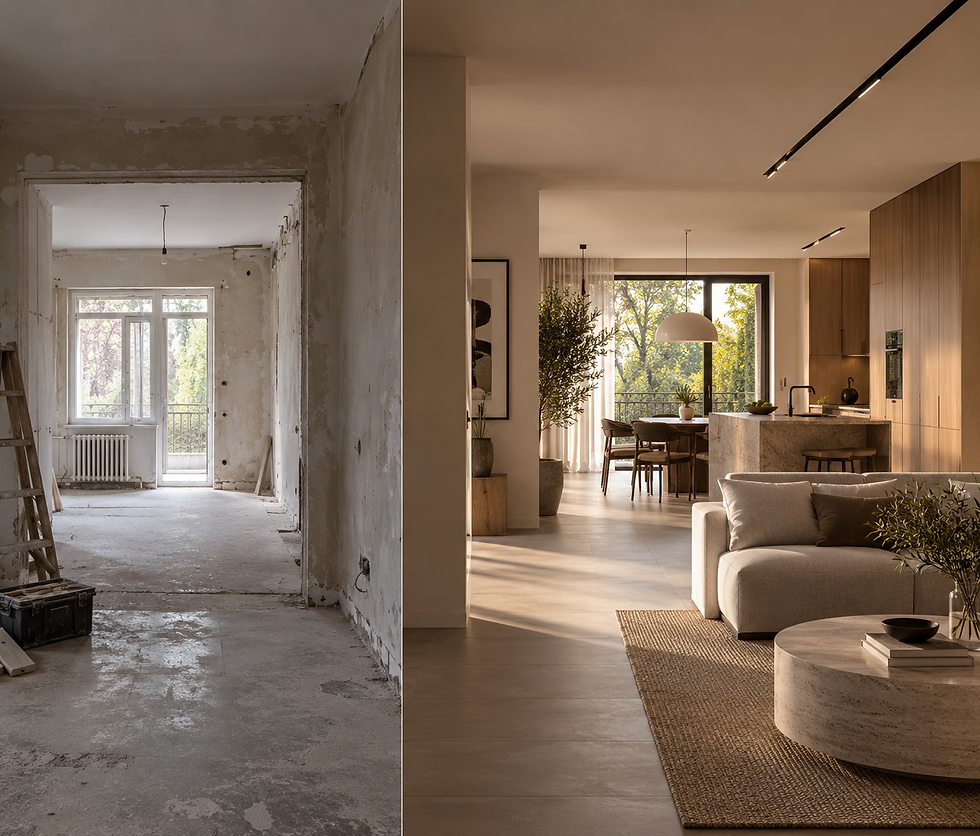
Good space planning can dramatically change the experience of a property without necessarily increasing its size. Removing unnecessary visual barriers, improving circulation, creating clearer functional zones, or simply repositioning furniture can make a compact interior feel significantly more generous.
The objective is not always to add more. Very often, better design comes from identifying what the space does not need.
Create Balance Through Materials and Color
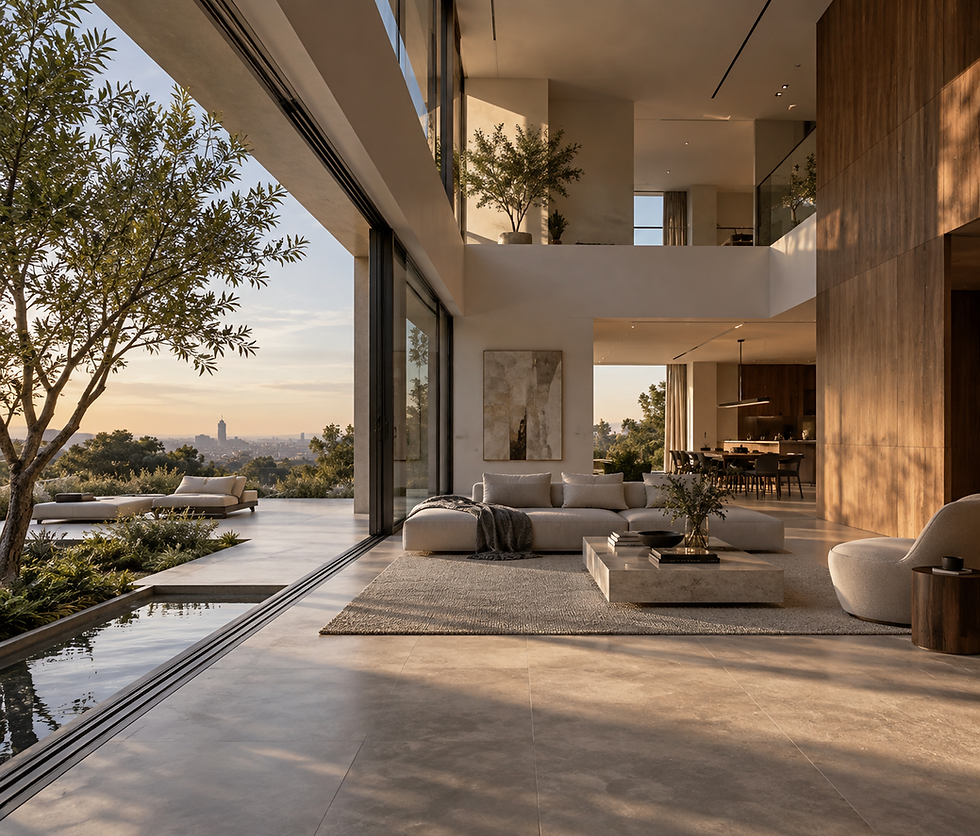
Materials establish much of the atmosphere of an interior. Stone can communicate permanence, timber introduces warmth, metal creates precision, glass provides transparency, while textiles soften both the visual and acoustic character of a room.
The strongest interiors rarely depend on a large number of materials. Instead, they use a carefully controlled palette and allow a few selected finishes to develop a clear visual identity.
Color should be approached in the same way. Neutral tones can provide a calm architectural background, while deeper or more expressive colors can define particular elements and create focal points. The key is proportion: every color does not need to compete for attention.
Let Lighting Become Part of the Architecture
Lighting can completely transform the perception of an interior.
Natural light should be considered from the earliest stages of design. The direction of sunlight, the size of openings, reflections from surrounding surfaces, and changes throughout the day can influence both material and color choices.
Artificial lighting should then complement this natural rhythm rather than simply illuminate the room. Instead of relying on one central light source, a layered approach can combine architectural lighting, indirect illumination, task lighting, decorative fixtures, and carefully positioned accent lights.
This creates depth and allows the same interior to have different personalities throughout the day.
Choose Furniture with Purpose
Furniture should respond to the scale and geometry of the architecture rather than simply fill available space.
Oversized pieces can restrict circulation, while too many small objects can make an interior feel fragmented. A smaller number of well-proportioned pieces often creates a stronger and more sophisticated composition.
Custom-designed furniture can be particularly valuable when standard solutions do not respond properly to the architecture. Integrated storage, built-in seating, multifunctional elements, and bespoke joinery can maximize usable space while becoming part of the overall architectural language.
Design for Real Life
A beautiful interior that does not function properly will quickly lose its appeal.
Storage, circulation, ergonomics, maintenance, durability, acoustics, privacy, and everyday routines should all influence design decisions. Understanding how people actually use a space makes it possible to create interiors that remain comfortable long after the initial visual impression.
This becomes especially important in contemporary homes, where one environment may need to support several activities—living, working, entertaining, relaxing, and sometimes changing completely according to different times of the day.
Flexibility therefore becomes an important part of modern interior architecture.
Details Make the Difference
The quality of an interior is often revealed through details that may not immediately attract attention.
The junction between two materials, the alignment of a cabinet with a wall, the position of a lighting fixture, the thickness of a countertop, the shadow gap around a panel, or the relationship between a door and surrounding surfaces can significantly influence how refined a space feels.
These details create visual continuity. When they are carefully resolved, the architecture appears effortless—even though considerable thought may have gone into achieving that simplicity.
Create Spaces with Identity
Perhaps the most important principle is that an interior should not feel like a copy of another project.
Inspiration is valuable, but successful design should respond to its own location, architecture, purpose, and users. Trends can provide ideas, but they should never replace a clear design concept.
Personal objects, art, custom furniture, local materials, meaningful colors, and subtle references to the people who inhabit the space can give an interior character without overwhelming the architecture.
At ARCHMA, we see interior architecture as the process of bringing all these layers together. Space planning, materiality, lighting, furniture, detailing, and human experience are not separate decisions—they are parts of one architectural composition.
The aim is ultimately simple: to create spaces that work beautifully, feel natural to inhabit, and remain meaningful beyond changing trends.
Comments